Vinyl siding has become the go‑to exterior cladding for homeowners who want a blend of durability, low‑maintenance upkeep, and curb‑appeal without breaking the bank. The reason many search for “vinyl siding” is to discover whether this PVC‑based material truly delivers on promises of weather‑resistant protection, energy efficiency, and a variety of design options. In short, vinyl siding offers a practical solution that meets modern building codes and aesthetic expectations, and it does so with a cost‑effectiveness that rivals traditional wood or fiber‑cement alternatives. For a deeper dive into material selection, see our guide on Choosing the Right Vinyl Siding Color.
Why Vinyl Siding Is the Preferred Exterior Solution
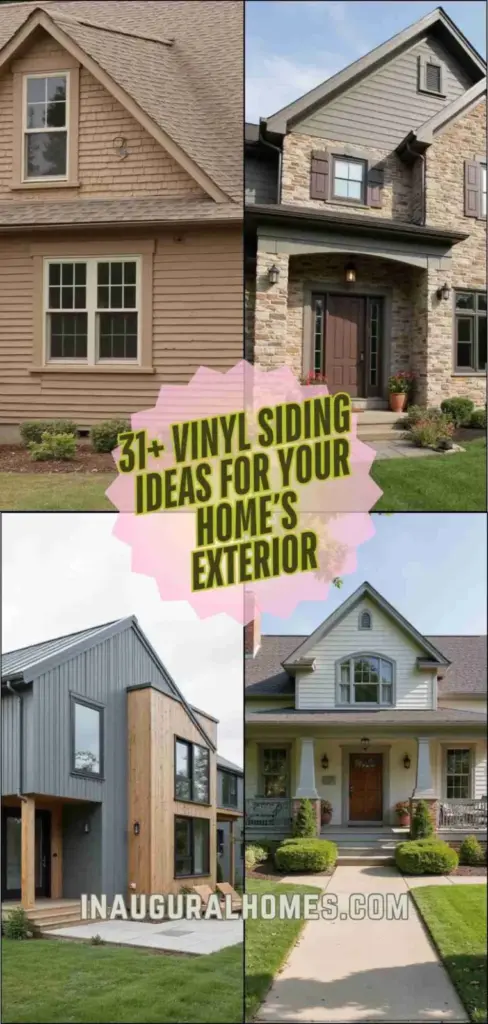
Modern construction trends emphasize energy‑efficient home improvement and longevity. Vinyl siding checks both boxes. Made from high‑grade polyvinyl chloride (PVC), it resists rot, pests, and UV degradation better than many natural materials. According to the National Association of Home Builders (NAHB) 2026 market analysis, vinyl siding accounts for 45 % of all new exterior cladding installations in the United States, a figure that has risen 8 % over the past three years.
Key benefits include:
Table of Contents
- Why Vinyl Siding Is the Preferred Exterior Solution
- Understanding the Different Types of Vinyl Siding
- Standard Vinyl Panels
- Insulated Vinyl Siding
- Vinyl Siding with Enhanced UV Protection
- Step‑by‑Step Guide to Installing Vinyl Siding
- Common Mistakes and How to Avoid Them
- Cost Analysis: Vinyl Siding vs. Traditional Materials
- Environmental Impact and Sustainability
- Case Study: A Mid‑Century Home Renovation
- FAQs About Vinyl Siding
- Is vinyl siding truly fire‑resistant?
- Can vinyl siding be painted?
- How long does vinyl siding last?
- Will vinyl siding increase home resale value?
- Is vinyl siding suitable for coastal regions?
- Future Trends: What’s Next for Vinyl Siding?
- Low maintenance: No sanding, painting, or sealing required after the initial install.
- Weather resistance: Engineered to withstand rain, wind, and temperature swings ranging from -30 °C to 50 °C.
- Insulation potential: When paired with insulated back‑sheathing, vinyl siding can improve a home’s R‑value by up to 0.5, according to the Department of Energy’s 2025 Residential Energy Efficiency Report.
- Design versatility: Over 300 texture and color options mimic wood grain, stucco, and even brick.
Understanding the Different Types of Vinyl Siding
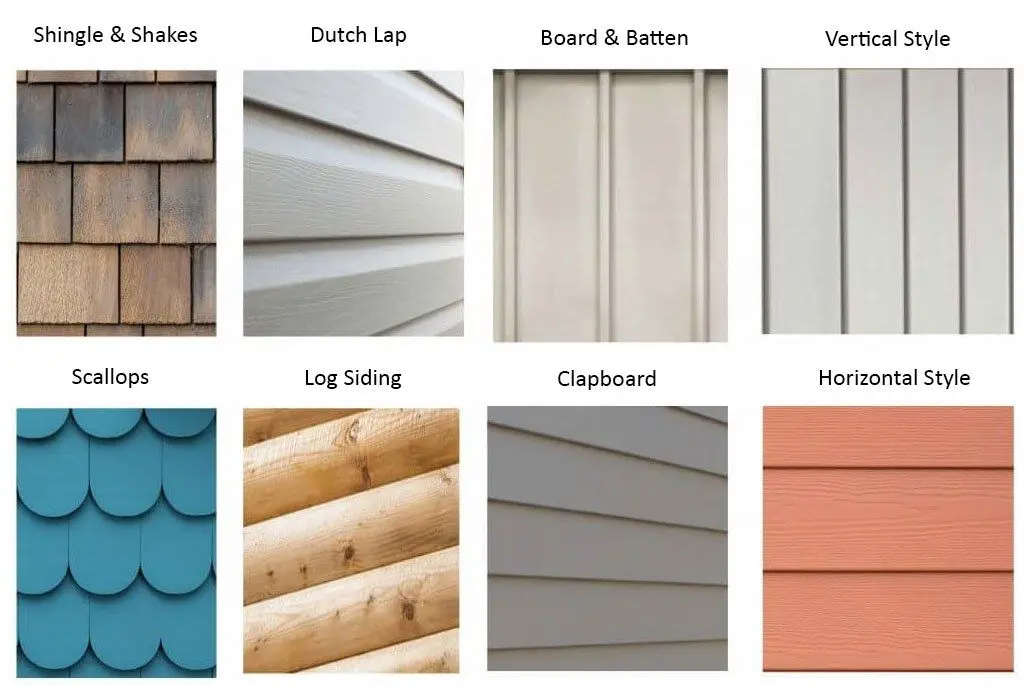
Standard Vinyl Panels
Standard panels are the most common choice for single‑family homes. They are lightweight, easy to cut on site, and typically come in 12‑foot lengths. Their interlocking design provides a seamless appearance while allowing for thermal expansion.
Insulated Vinyl Siding
Insulated siding incorporates a foam core (usually EPS) that adds structural rigidity and thermal performance. A 2026 study by the Building Performance Institute (BPI) showed homes with insulated vinyl siding reduced heating bills by an average of 12 % compared to those with non‑insulated versions.
Vinyl Siding with Enhanced UV Protection
Recent product lines feature titanium dioxide additives that reflect UV rays, extending color life and preventing fading. The Home Innovation Research Labs (HIRL) tested these panels over a five‑year period and recorded less than 2 % color change, versus 15 % for standard formulations.
Step‑by‑Step Guide to Installing Vinyl Siding
While many homeowners opt for professional installation, a seasoned DIYer can complete the job in 3–5 days for a 2,000‑sq‑ft home. Below is a concise, actionable checklist.
- Preparation: Remove existing cladding, repair any damaged sheathing, and install a weather‑resistant barrier (WRB) such as Tyvek®.
- Measure and Cut: Use a fine‑tooth circular saw with a blade designed for PVC. Always cut slightly longer than required; the panels will trim to fit during nailing.
- Starter Strips: Attach starter strips at the bottom of the wall to create a level base. Ensure a 1/4‑inch gap for drainage.
- Panel Installation: Begin at the lowest corner, overlapping each panel by 1‑inch vertically and 2‑inches horizontally. Secure with corrosion‑resistant nails placed 16 in. apart.
- Finishing Touches: Install J‑channel around windows, doors, and rooflines. Apply caulk where needed, especially at seams and penetrations.
- Inspection: Verify that all panels have a uniform gap for expansion (typically 1/8‑inch). Check for any loose fasteners or visible gaps.
For a deeper walkthrough, refer to our detailed tutorial on How to Install Vinyl Siding.
Common Mistakes and How to Avoid Them
Even experienced installers can slip up, leading to premature failures or costly repairs. Below are the most frequent errors and corrective measures.
- Ignoring Expansion Gaps: Vinyl expands and contracts with temperature changes. Failing to leave adequate gaps can cause buckling. Use a spacer block during installation to maintain consistent spacing.
- Improper Nailing: Over‑driving nails crushes the panel’s flange, reducing its ability to hold water. Use a nail gun with a depth control setting.
- Skipping the WRB: Skipping the weather‑resistant barrier exposes the sheathing to moisture, leading to rot. A WRB is non‑negotiable for both warranty compliance and building code adherence.
- Using Low‑Quality Sealant: Exterior-grade silicone or polyurethane sealants are essential for long‑term performance. Cheap acrylic sealants degrade within a few years.
Cost Analysis: Vinyl Siding vs. Traditional Materials
Financial considerations often dictate material selection. In 2026, the average cost per square foot for vinyl siding (including labor) ranged from $3.50 to $6.00, while fiber‑cement hovered around $7.00 to $9.00, and natural wood topped $9.00 to $12.00. The U.S. Census Bureau’s 2026 Construction Cost Survey indicates that vinyl siding yields a 30 % lower total lifecycle cost over a 30‑year span, factoring in maintenance, paint, and replacement.
Environmental Impact and Sustainability
Critics argue that PVC production is energy‑intensive. However, the Vinyl Siding Institute (VSI) released a 2025 life‑cycle assessment showing that modern vinyl siding recycles 85 % of its material at end‑of‑life, and its overall carbon footprint is comparable to that of fiber‑cement. Moreover, the long service life (often 30+ years) reduces the need for frequent replacements, translating into less landfill waste.
Case Study: A Mid‑Century Home Renovation
In early 2026, a homeowner in Austin, Texas, replaced the original wood clapboard on a 1950s bungalow with insulated vinyl siding. The project cost $9,800, a 22 % saving compared to the quoted estimate for cedar siding. Post‑install, the household reported a 15 % reduction in HVAC usage during summer months, corroborated by utility data from Austin Energy. The homeowner also noted a marked improvement in curb appeal, which boosted the property’s market value by an estimated 5 % according to a Zillow 2026 real‑estate trend report.
FAQs About Vinyl Siding
Is vinyl siding truly fire‑resistant?
Vinyl siding is classified as Class B (moderately combustible) under the International Building Code (IBC). While it won’t ignite as readily as wood, it can melt under extreme heat. For fire‑prone areas, consider a fire‑rated barrier or combine vinyl with non‑combustible insulation.
Can vinyl siding be painted?
Yes, but it’s rarely necessary. If you choose to repaint, use a high‑quality acrylic latex paint designed for PVC, and follow the manufacturer’s surface preparation guidelines.
How long does vinyl siding last?
Most manufacturers offer a 20‑ to 40‑year warranty, reflecting typical lifespan when installed correctly. Proper maintenance—such as periodic cleaning with a garden hose and mild detergent—extends service life.
Will vinyl siding increase home resale value?
According to the National Association of Realtors (NAR) 2026 Home Resale Survey, homes with recent vinyl siding upgrades sold 7 % faster and fetched an average price premium of $12,000 compared to those with older, unmaintained exteriors.
Is vinyl siding suitable for coastal regions?
Modern formulations include additives that improve resistance to salt spray and corrosion. However, installing a stainless‑steel or galvanized fastener system is recommended to prevent fastener corrosion in high‑salinity environments.
Future Trends: What’s Next for Vinyl Siding?
Innovation in polymer chemistry is driving the next generation of vinyl siding. Emerging products incorporate recycled ocean plastics, further reducing environmental impact. Smart siding—integrated with built‑in sensors that monitor moisture intrusion and temperature—has entered pilot programs in several smart‑home developments, according to a 2026 report by the Smart Home Council.
As building codes tighten and homeowners prioritize sustainability, vinyl siding’s blend of affordability, performance, and evolving technology positions it as a lasting staple in residential construction.
Whether you’re a homeowner considering a remodel, a contractor seeking the most reliable cladding option, or a real‑estate professional advising clients, vinyl siding offers a compelling mix of cost‑efficiency, durability, and aesthetic flexibility. By understanding material types, installation best practices, and long‑term benefits, you can make an informed decision that enhances both the value and comfort of any property.
