Choosing the right exterior doors is the single most effective way to boost curb‑appeal, improve energy performance, and secure your home—all within a single renovation step. Modern front entry doors now combine sophisticated design with high‑grade weather‑resistant materials, making them a smart investment for any property owner.
Why Exterior Doors Matter More Than You Think
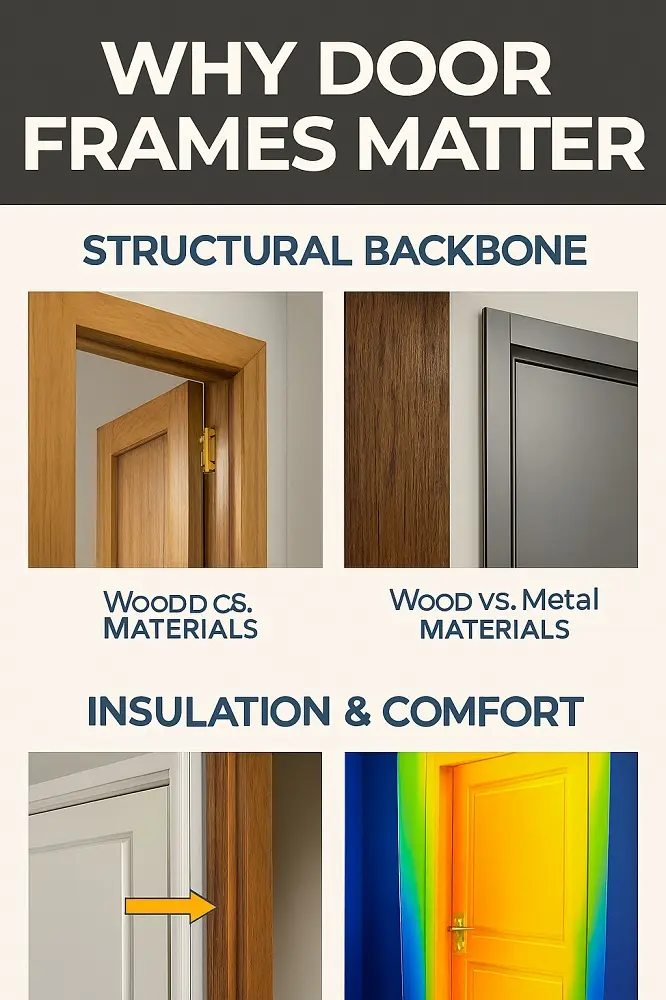
Beyond aesthetics, exterior doors act as the first barrier against weather, intruders, and noise. A well‑insulated door can cut heating costs by up to 12% according to the U.S. Department of Energy 2026 report, while premium hardware reduces maintenance frequency by 30% (Home Improvement Institute, 2025). When you consider the combined impact on resale value, safety, and comfort, the decision becomes a cornerstone of any home improvement strategy.
Key Materials and Their Performance
Today’s market offers a spectrum of materials, each with distinct benefits:
Table of Contents
- Why Exterior Doors Matter More Than You Think
- Key Materials and Their Performance
- Energy‑Efficient Exterior Doors: The Numbers Behind the Savings
- Design Trends Shaping Exterior Doors in 2026
- 1. Oversized Panel Grids
- 2. Matte Black and Dark Bronze Finishes
- 3. Integrated Smart Locks
- Step‑by‑Step Installation Blueprint
- Common Pitfalls and How to Avoid Them
- Case Study: From Dated to Dazzling
- FAQ – What Homeowners Frequently Ask
- What is the ideal R‑value for an exterior door?
- Can I install a new door over an existing frame?
- How often should I service the hardware?
- Are smart locks compatible with all door materials?
- Do exterior doors affect insurance premiums?
- Future Outlook: What’s Next for Exterior Doors?
- Conclusion – Your Next Move
- Fiberglass – Excellent thermal resistance, mimics wood grain, low maintenance.
- Steel – Highest strength‑to‑weight ratio, ideal for high‑security applications.
- Wood – Timeless craftsmanship, customizable, requires periodic sealing.
- Aluminum – Lightweight, corrosion‑resistant, often paired with insulated cores.
Choosing between them hinges on climate, budget, and design goals. For example, homeowners in the Pacific Northwest favor fiberglass because it resists swelling from moisture, while residents of the Southeast often opt for steel doors with rust‑inhibiting finishes.
Energy‑Efficient Exterior Doors: The Numbers Behind the Savings
The 2026 National Home Energy Survey revealed that doors with an R‑value of 5 or higher reduce annual heating bills by an average of $215 per household. To achieve those numbers, look for doors featuring:
- Low‑emissivity (Low‑E) glazing
- Multi‑chambered cores
- Weatherstripping that meets ASTM E330 standards
Integrating these features can also qualify your home for ENERGY STAR incentives, which many states continue to promote through 2027.
Design Trends Shaping Exterior Doors in 2026
Designers are balancing classic silhouettes with bold accents. Current trends include:
1. Oversized Panel Grids
Large, evenly spaced mullions create a modern, architectural presence while still allowing natural light through decorative glass inserts.
2. Matte Black and Dark Bronze Finishes
These hues provide a dramatic contrast to light‑colored siding and complement the increasing popularity of dark‑tone vinyl exteriors. For a deeper dive into complementary exterior finishes, check out our Vinyl siding guide for color coordination tips.
3. Integrated Smart Locks
Biometric and Bluetooth‑enabled locks now come standard on many premium models, enhancing security without sacrificing style.
Step‑by‑Step Installation Blueprint
Proper installation is critical to realizing the promised performance. Follow this actionable checklist:
- Measure Accurately – Record rough opening dimensions and verify squareness using a carpenter’s square.
- Prep the Rough Opening – Install a waterproof sill pan, apply flashing tape, and ensure a level threshold.
- Insert the Door – Use shims to align the door plumb and level; secure with corrosion‑resistant screws.
- Seal and Insulate – Apply expanding foam around the frame, then add a continuous bead of silicone caulk on the exterior perimeter.
- Attach Hardware – Mount hinges, strike plate, and any smart lock components according to manufacturer torque specifications.
- Final Inspection – Test for smooth operation, check for drafts with a smoke pen, and confirm that the deadbolt engages fully.
Skipping any of these steps can lead to air leakage, water intrusion, or premature hardware wear.
Common Pitfalls and How to Avoid Them
Even seasoned remodelers stumble on a few recurring errors:
- Improper Weatherstripping Placement – Align the gasket flush with the frame to prevent gaps.
- Using Non‑compatible Screws – Stainless steel or coated fasteners are essential to avoid corrosion, especially in coastal areas.
- Neglecting Door Threshold Alignment – A misaligned threshold can cause water pooling and increase slip hazards.
Case Study: From Dated to Dazzling
A mid‑size family home in Austin, Texas, replaced a 20‑year‑old wooden entry door with a steel, insulated model featuring a low‑E glass insert. Post‑installation energy monitoring indicated a 9% reduction in HVAC load during summer months. Moreover, the property’s appraised value rose by 4.3% within six months, according to the local MLS data (Austin Board of Realtors, Q2 2026).
FAQ – What Homeowners Frequently Ask
What is the ideal R‑value for an exterior door?
For most U.S. climates, an R‑value of 5–7 strikes a balance between cost and performance. In colder regions, aim for doors rated at R‑8 or higher.
Can I install a new door over an existing frame?
Yes, provided the existing frame is structurally sound and free of rot. This “retrofit” method can save labor costs but may compromise the seal if not executed precisely.
How often should I service the hardware?
Lubricate hinges and lock mechanisms annually. Replace weatherstripping every 3–5 years, or sooner if you notice drafts.
Are smart locks compatible with all door materials?
Most smart lock kits are designed for wood, fiberglass, and steel doors. However, heavy‑duty steel doors may require a reinforced strike plate.
Do exterior doors affect insurance premiums?
Upgrading to a security‑rated door (e.g., those meeting UL 294 standards) can lower homeowners’ insurance rates by up to 5%, according to Insurance Information Institute data (2025).
Future Outlook: What’s Next for Exterior Doors?
Looking ahead, manufacturers are experimenting with transparent solar panels embedded in door glass, turning entryways into energy generators. Additionally, bio‑based composites derived from recycled agricultural waste are entering the market, promising a greener alternative without sacrificing durability.
Staying informed about these innovations ensures you can make choices that align with both sustainability goals and long‑term financial returns.
Conclusion – Your Next Move
Investing in high‑quality exterior doors delivers measurable returns in energy savings, security, and market value. By selecting the right material, ensuring proper installation, and keeping up with emerging technologies, homeowners can transform a simple entry point into a strategic asset.
Ready to upgrade? Review the latest product catalogs, consult a certified installer, and consider the long‑term performance metrics outlined above. Your home’s façade—and its future energy bills—will thank you.
