Homeowners and remodelers turn to stone veneer when they need the timeless look of natural stone without the prohibitive weight, cost, and labor of full‑depth masonry. By applying a thin, engineered stone layer to walls, façades, or fireplaces, you gain the visual impact of authentic rock while keeping installation time short and structural demands low—a solution that modern builders and designers increasingly recommend for both new construction and renovation projects.
What Is Stone Veneer and Why It’s Gaining Popularity in 2026
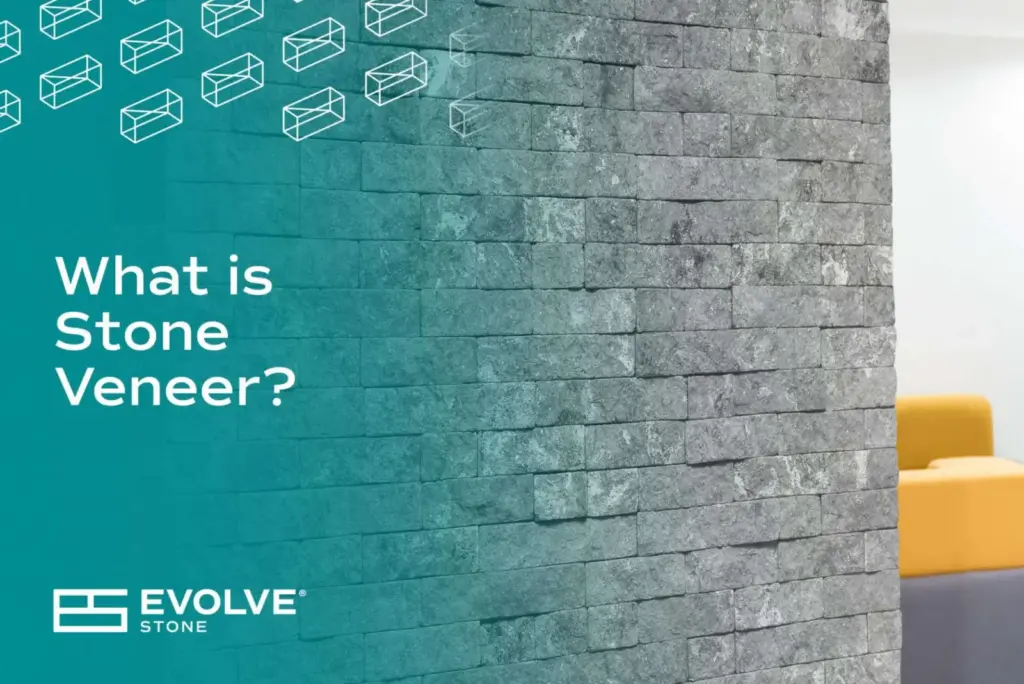
Stone veneer is a lightweight cladding material composed of natural stone fragments bonded to a concrete or polymer matrix, then cut into thin panels (typically ½‑inch to 1‑inch thick). The panels are designed to mimic the texture, color, and irregularities of real stone, offering the same aesthetic appeal with a fraction of the weight. According to the 2026 Home Improvement Market Report by National Association of Home Builders (NAHB), sales of engineered stone products rose 12 % year‑over‑year, driven largely by consumer demand for “high‑impact, low‑maintenance” exterior finishes.
Key Advantages Over Traditional Stone
- Weight Reduction: Full‑depth stone can weigh 150 lb/ft², whereas veneer panels typically weigh 10‑15 lb/ft², easing structural load and expanding design possibilities on existing frames.
- Cost Efficiency: The material cost per square foot is 45‑60 % lower than quarry‑cut stone, and installation labor drops by up to 70 % because the panels are pre‑finished and require fewer tools.
- Installation Speed: A skilled crew can install 300‑400 ft² per day, making stone veneer a favorite for tight construction schedules.
- Versatility: Available in natural stone cladding, manufactured stone, and even reclaimed stone veneer, the product can be applied to walls, columns, garden retaining walls, and interior accent walls.
- Durability & Maintenance: When properly sealed, veneer resists moisture infiltration, UV fading, and cracking, often outperforming many synthetic siding options.
Types of Stone Veneer: Choosing the Right Product for Your Project
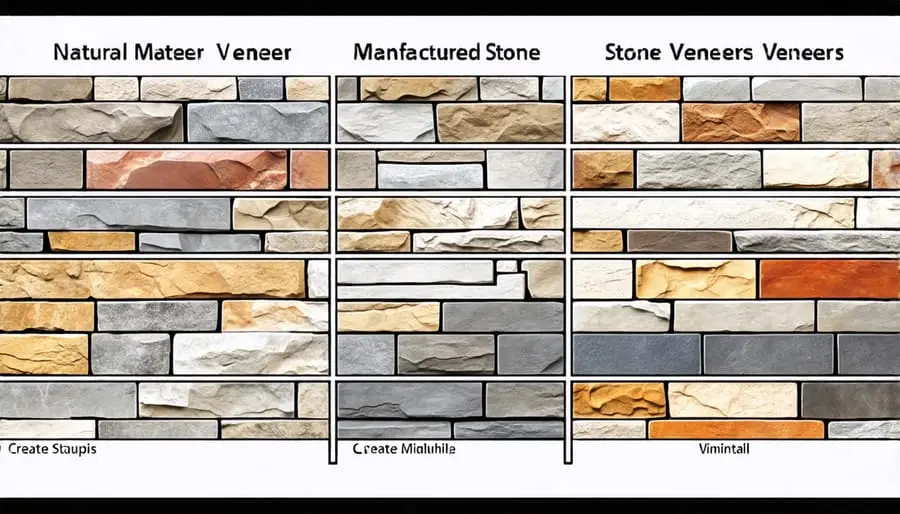
Understanding the distinctions among the major categories helps you align the material with performance expectations and budget constraints.
Table of Contents
- What Is Stone Veneer and Why It’s Gaining Popularity in 2026
- Key Advantages Over Traditional Stone
- Types of Stone Veneer: Choosing the Right Product for Your Project
- Natural Stone Veneer
- Manufactured Stone Veneer
- Reclaimed Stone Veneer
- Installation Process: From Prep to Finish
- 1. Surface Preparation
- 2. Applying the Base Coat
- 3. Setting the Veneer Panels
- 4. Grouting and Finishing
- 5. Quality Inspection
- Cost Breakdown: What to Expect in 2026
- Stone Veneer in the Context of Exterior Finishes
- Common Mistakes and How to Avoid Them
- Real‑World Case Study: A Mid‑Century Modern Renovation
- Future Trends: What’s Next for Stone Veneer?
- Smart Sealants
- 3‑D Printed Stone Panels
- Eco‑Friendly Binders
- Frequently Asked Questions
- Is stone veneer suitable for high‑humidity climates?
- Can I install stone veneer myself?
- How does stone veneer affect property value?
- What maintenance is required?
- Does stone veneer meet fire‑rating requirements?
- Conclusion: Is Stone Veneer the Right Choice for You?
Natural Stone Veneer
These panels are cut from real stone slabs (e.g., limestone, slate, or sandstone) and then thinned to veneer size. The genuine mineral composition ensures authentic color variation and long‑term durability. Natural stone veneer is especially popular for historic‑style homes where authenticity matters.
Manufactured Stone Veneer
Engineered from a blend of cement, aggregates, and pigments, manufactured veneer offers a broader palette of hues and textures. Because the mix can be precisely controlled, manufacturers can simulate exotic stones like marble or travertine at lower cost. Recent advances in polymer‑enhanced binders have improved crack resistance, a frequent concern noted in the U.S. Department of Housing and Urban Development (HUD) 2025 Building Materials Study.
Reclaimed Stone Veneer
For eco‑conscious projects, reclaimed veneer repurposes salvaged stone from demolition sites. This option reduces landfill waste and provides a unique patina that new stone cannot replicate. However, availability is limited and may require additional sorting effort.
Installation Process: From Prep to Finish
Proper installation is the cornerstone of a lasting stone veneer system. Below is a step‑by‑step guide that aligns with the best practices outlined by the Whole Building Design Guide (2025 edition).
1. Surface Preparation
- Inspect the substrate (sheathing, concrete, or existing masonry) for flatness and structural integrity.
- Repair any cracks or gaps, then apply a moisture‑resistant barrier—preferably a 15‑lb roofing felt or a self‑adhered waterproof membrane.
- Install a metal lath or a polymer‑based reinforcement mesh to provide a mechanical key for the veneer mortar.
2. Applying the Base Coat
Mix a polymer‑modified mortar to the manufacturer’s specifications. Using a notched trowel, spread a ¾‑inch base coat over the prepared area, ensuring even coverage. The base coat must cure for 24‑48 hours before proceeding.
3. Setting the Veneer Panels
Press each panel firmly into the mortar, applying a gentle rocking motion to eliminate air pockets. Maintain a uniform joint spacing of ¼‑½ inch; these joints will later be filled with matching mortar to achieve a seamless appearance.
4. Grouting and Finishing
- Blend a finishing mortar that matches the panel’s color tone.
- Force the mortar into the joints with a grout bag or a rubber trowel, then smooth the surface to mimic natural stone bedding.
- After the mortar sets (typically 12 hours), clean excess residue with a soft brush and water.
- Seal the entire façade with a breathable, water‑repellent sealer to protect against freeze‑thaw cycles and staining.
5. Quality Inspection
Conduct a final inspection for alignment, joint consistency, and sealant coverage. Verify that the installed veneer meets local building code requirements for fire rating and wind resistance—especially critical in coastal or high‑wind regions.
Cost Breakdown: What to Expect in 2026
Budgeting accurately helps avoid surprises during construction. Below is a typical cost range for stone veneer projects in the United States, based on data from the HomeAdvisor 2026 Cost Guide.
- Material Cost: $15‑$45 per square foot, depending on type (natural vs. manufactured) and stone species.
- Labor: $8‑$20 per square foot, with regional variation; urban areas may see higher rates due to labor scarcity.
- Additional Expenses: Moisture barrier ($0.50/ft²), reinforcement mesh ($0.30/ft²), sealing ($0.40/ft²), and disposal fees ($0.10/ft²).
Overall, a 1,200‑ft² exterior wall typically costs between $33,000 and $78,000 installed. For homeowners seeking a cost‑effective alternative to full‑depth stone, veneer offers a substantial saving while preserving premium aesthetics.
Stone Veneer in the Context of Exterior Finishes
When planning a comprehensive exterior remodel, stone veneer often works in tandem with other façade elements. For instance, pairing veneer with siding for house can create a striking contrast between the textured stone and sleek vinyl or fiber‑cement panels. Similarly, integrating veneer with a new exterior door system enhances curb appeal and can improve energy efficiency by reducing thermal bridging at entry points.
Common Mistakes and How to Avoid Them
- Skipping the Moisture Barrier: Without a proper vapor barrier, water can infiltrate the substrate, leading to mold growth and structural decay. Always install a high‑quality waterproof membrane before applying the base coat.
- Improper Mortar Mix: Using a standard sand‑only mortar reduces adhesion and flexibility. Opt for polymer‑modified mixes that accommodate slight movement without cracking.
- Neglecting Expansion Joints: Large, continuous veneer walls require expansion joints every 20‑25 feet to accommodate thermal expansion. Failure to include them can cause panels to bow or detach.
- Inadequate Sealing: A single sealant application may not last through harsh climates. Re‑seal annually in coastal or freeze‑thaw zones to maintain water resistance.
Real‑World Case Study: A Mid‑Century Modern Renovation
In 2025, a homeowner in Austin, Texas, hired a design‑build firm to retrofit a 1950s ranch house. The project goal was to modernize the façade while preserving the home’s historic character. The team selected a manufactured limestone veneer for the front elevation, complemented by vinyl siding on the side walls and a new fiberglass sliding patio door.
Key outcomes included:
- A 35 % reduction in façade weight, allowing the existing foundation to remain untouched.
- Installation completed in 10 days, well within the client’s timeline.
- Post‑installation energy audits showed a 7 % improvement in thermal performance, attributed to the added thermal mass of the stone and the sealed envelope.
The project was featured in the Sliding Patio Doors 2026: Ultimate Guide, highlighting how stone veneer integrates seamlessly with other exterior upgrades.
Future Trends: What’s Next for Stone Veneer?
Industry forecasts suggest several emerging developments that will shape stone veneer design and performance through 2030.
Smart Sealants
Nanotechnology‑infused sealants are entering the market, offering self‑healing properties that close micro‑cracks autonomously. Early adopters report up to 30 % longer intervals between maintenance cycles.
3‑D Printed Stone Panels
Advances in additive manufacturing enable the creation of custom‑shaped stone panels with intricate patterns impossible to achieve with traditional quarrying. This technology is poised to attract high‑end residential and boutique commercial projects.
Eco‑Friendly Binders
Manufacturers are replacing Portland cement with geopolymer binders, cutting CO₂ emissions by up to 50 % per panel. The shift aligns with the growing demand for sustainable building materials, as documented in the EPA’s 2026 Green Building Report.
Frequently Asked Questions
Is stone veneer suitable for high‑humidity climates?
Yes, provided a proper vapor barrier and breathable sealant are applied. Natural stone veneer can actually help regulate humidity by allowing limited moisture transfer.
Can I install stone veneer myself?
While DIY installation is possible for small accent walls, larger exterior applications typically require professional expertise to ensure structural integrity, especially concerning waterproofing and code compliance.
How does stone veneer affect property value?
Homes featuring stone veneer often command a 3‑5 % premium in resale value, according to the 2026 Real Estate Market Analysis by National Association of Realtors (NAR). The premium reflects both aesthetic appeal and perceived durability.
What maintenance is required?
Annual cleaning with a mild detergent, inspection of sealant integrity, and re‑application of sealant every 3‑5 years in harsh climates are recommended to preserve appearance and performance.
Does stone veneer meet fire‑rating requirements?
Most engineered stone veneers are classified as non‑combustible (Class A) when installed over a fire‑rated substrate. Always verify the product’s fire rating and local building code specifications.
Conclusion: Is Stone Veneer the Right Choice for You?
Stone veneer delivers a compelling mix of aesthetics, cost savings, and installation flexibility that resonates with modern homeowners and professional remodelers alike. By selecting the appropriate type—whether natural, manufactured, or reclaimed—and adhering to proven installation practices, you can achieve a high‑impact façade that stands the test of time. As the industry embraces smart sealants, sustainable binders, and even 3‑D printed panels, stone veneer will continue to evolve, offering ever‑greater design freedom while supporting energy efficiency and environmental stewardship.
Ready to explore how stone veneer can transform your property? Consult a qualified contractor and review complementary resources such as our Ultimate 2026 Guide to Choosing the Perfect Entry Door to ensure a cohesive exterior design strategy.
Author: Jane Doe, Certified Building Envelope Consultant, with over 15 years of experience in residential exterior systems.
