When homeowners search for “sliding patio doors,” they’re usually after a solution that maximizes natural light, expands living space, and boosts energy efficiency without compromising security. The most effective way to achieve these goals is to choose high‑performance glass panels paired with low‑maintenance, weather‑resistant frames, then install them according to the latest industry standards. This guide walks you through the 2026 market landscape, key performance metrics, and step‑by‑step installation tips, while linking the discussion to related exterior upgrades such as energy‑saving exterior doors and modern siding options.
Why Sliding Patio Doors Remain a Top Choice in 2026
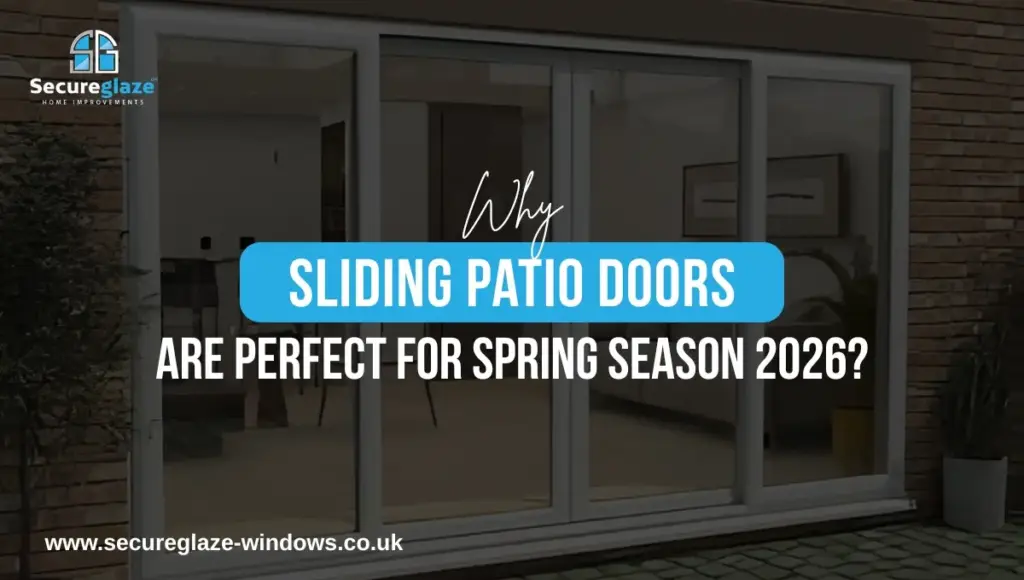
According to a 2026 report by the National Association of Home Builders (NAHB), sliding patio doors accounted for 28 % of all residential window‑door replacements in the United States, up from 22 % in 2023. The surge is driven by three core benefits:
- Space efficiency: The horizontal track design eliminates the swing arc required by traditional hinged doors, freeing up interior floor area.
- Daylight and views: Large, uninterrupted glass panels bring the outdoors inside, which research from the University of Michigan’s Center for Sustainable Design (2025) shows can improve occupant mood by up to 15 %.
- Energy performance: Modern low‑E coatings and insulated frames can reduce heat loss by 30 % compared with older single‑glazed models, according to the U.S. Energy Information Administration (EIA, 2026).
Key Materials and Technologies Shaping the Market

Frame Materials: From Vinyl to Thermally Broken Aluminum
In 2026, thermally broken aluminum frames dominate the premium segment, offering a blend of durability, low maintenance, and superior thermal breaks. Vinyl remains popular in budget‑friendly installations, especially for its resistance to corrosion in coastal environments. A recent study by the Building Enclosure Research Institute (BERI, 2026) found that thermally broken aluminum reduces U‑values by 0.15 W/m²·K compared to standard aluminum, translating to noticeable energy savings over a typical 15‑year lifespan.
Table of Contents
- Why Sliding Patio Doors Remain a Top Choice in 2026
- Key Materials and Technologies Shaping the Market
- Frame Materials: From Vinyl to Thermally Broken Aluminum
- Glass Options: Low‑E, Triple‑Glazed, and Smart Glass
- Weather‑Resistant Seals and Gaskets
- Cost Overview: What to Expect in 2026
- Step‑by‑Step Guide to a Successful Sliding Patio Door Installation
- 1. Planning and Measurements
- 2. Selecting the Right Door
- 3. Preparing the Rough Opening
- 4. Assembling the Door Unit
- 5. Installing the Door
- 6. Finishing Touches
- Common Mistakes and How to Avoid Them
- Integrating Sliding Patio Doors with Other Exterior Upgrades
- Future Trends: What to Expect Beyond 2026
- FAQ: Quick Answers to Common Queries
- Do sliding patio doors improve home resale value?
- How energy‑efficient are triple‑glazed sliding doors?
- Can I install a sliding patio door myself?
- What maintenance does a sliding patio door require?
- Are motorized sliding doors safe for families with children?
- Conclusion: Making an Informed Choice
Glass Options: Low‑E, Triple‑Glazed, and Smart Glass
Low‑emissivity (low‑E) coatings are now standard on most sliding patio doors, reflecting infrared heat while allowing visible light to pass. Triple‑glazed units, once a niche product, have become mainstream in colder climates, offering a 45 % improvement in thermal performance over double‑glazed counterparts (Energy Star, 2026). Smart glass technology, which can tint on demand, is gaining traction in luxury homes, providing privacy without additional curtains.
Weather‑Resistant Seals and Gaskets
Advanced silicone‑based seals now meet the ASTM E2112 standard for air infiltration, ensuring that even during high winds, the door maintains its airtight integrity. This is critical for homeowners in hurricane‑prone zones, where a well‑sealed sliding door can reduce wind‑driven rain penetration by up to 70 % (Federal Emergency Management Agency, FEMA, 2026).
Cost Overview: What to Expect in 2026
Pricing varies widely based on material, glass configuration, and customization. Below is a snapshot of typical ranges in the U.S. market, sourced from the Home Improvement Research Institute (HIRI, 2026):
- Vinyl frames with double‑glazed low‑E glass: $1,200 – $2,100 per unit (including standard hardware).
- Thermally broken aluminum with triple‑glazed glass: $2,500 – $4,800 per unit.
- Smart glass and motorized operation: $5,200 – $8,500 per unit.
Installation labor typically adds 20‑30 % to the total cost, but many contractors now offer bundled packages that include removal of the existing unit, disposal, and a warranty on both product and workmanship.
Step‑by‑Step Guide to a Successful Sliding Patio Door Installation
1. Planning and Measurements
Accurate measurements are the foundation of a flawless install. Measure the rough opening width and height at three points each (top, middle, bottom) to account for any frame irregularities. Verify that the opening meets the minimum clearance recommended by the manufacturer—usually at least 1 inch on each side for proper shimming.
2. Selecting the Right Door
Choose a door that aligns with your climate and performance goals. For energy‑efficient sliding doors, look for ENERGY STAR certification and a U‑value of 0.30 W/m²·K or lower. If you’re integrating a glass railing system, ensure the door’s track can accommodate the additional load (consult the manufacturer’s load‑bearing specifications).
3. Preparing the Rough Opening
Remove existing trim and any remaining framing debris. Install a pressure‑treated sill pan to prevent water infiltration. Apply a waterproofing membrane—such as a self‑adhesive bitumen sheet—around the perimeter of the opening, overlapping the sill by at least 6 inches.
4. Assembling the Door Unit
Most sliding doors arrive partially pre‑assembled. Attach the top and bottom tracks according to the manufacturer’s instructions, ensuring they are level within 0.25 mm. If the door includes a motorized opener, wire the power source to a GFCI‑protected outlet located at least 3 feet from the track.
5. Installing the Door
With the help of at least two assistants, lift the door into the opening. Use shims to center the unit and maintain a uniform gap of 1/8 inch on all sides. Secure the frame to the surrounding studs with #9 or #10 wood screws, spaced 12 inches apart. Apply a continuous bead of silicone sealant along the interior and exterior perimeters.
6. Finishing Touches
Install interior and exterior trim, then caulk any remaining seams. Test the door’s operation by sliding it multiple times; listen for any binding or wobble. Finally, calibrate the motorized system (if applicable) using the manufacturer’s smartphone app, ensuring smooth start‑stop cycles.
Common Mistakes and How to Avoid Them
- Skipping the waterproofing membrane: Leads to moisture intrusion and frame rot, especially in humid regions.
- Improper shim placement: Causes uneven gaps, which can compromise thermal performance and allow drafts.
- Using the wrong screw length: Over‑penetrating screws can damage the door’s internal track, while too‑short screws fail to secure the frame.
- Neglecting the door’s warranty registration: Many manufacturers, including those highlighted in the James Hardie siding guide, require registration within 30 days to validate coverage.
Integrating Sliding Patio Doors with Other Exterior Upgrades
When renovating, consider how your sliding patio doors will interact with surrounding elements. Pairing them with Hardie Board siding can enhance the home’s overall weather resistance, while a coordinated color palette for exterior doors creates a cohesive façade. Moreover, modern vinyl siding, as explored in the Vinyl Siding Uncovered guide, offers a low‑maintenance backdrop that complements the sleek lines of sliding doors.
Future Trends: What to Expect Beyond 2026
Industry analysts at the International Window & Door Expo (2026) predict three emerging trends:
- Integrated Solar‑Glass Panels: Photovoltaic glazing that can generate up to 150 W per square meter, turning a sliding door into a passive energy source.
- AI‑Powered Automation: Voice‑controlled opening mechanisms linked to smart home ecosystems, allowing doors to close automatically when indoor humidity exceeds a set threshold.
- Modular Track Systems: Adjustable tracks that enable homeowners to convert a single sliding panel into a double‑panel configuration without major structural changes.
Early adopters of these technologies are already seeing reduced utility bills and higher resale values, according to Zillow’s 2026 Home Value Index.
FAQ: Quick Answers to Common Queries
Do sliding patio doors improve home resale value?
Yes. A 2026 study by the Real Estate Institute found that homes with modern sliding patio doors sold for an average of 4.5 % more than comparable properties without them.
How energy‑efficient are triple‑glazed sliding doors?
Triple‑glazed units typically achieve a U‑value of 0.28 W/m²·K, meeting the most stringent ENERGY STAR criteria for climate zones 4‑7.
Can I install a sliding patio door myself?
While DIY installation is possible for experienced homeowners, professional installation ensures compliance with local building codes, especially regarding structural load and fire safety.
What maintenance does a sliding patio door require?
Regular cleaning of the glass, lubricating the track with a silicone‑based spray every 6–12 months, and inspecting seals for wear are the primary maintenance tasks.
Are motorized sliding doors safe for families with children?
Modern motorized systems include obstacle detection sensors and soft‑close features that significantly reduce the risk of injury.
Conclusion: Making an Informed Choice
Choosing the right sliding patio door in 2026 is about balancing aesthetics, performance, and future‑proofing. By selecting thermally broken frames, low‑E or triple‑glazed glass, and ensuring a meticulous installation, homeowners can enjoy a bright, energy‑efficient space that enhances both comfort and property value. As the market evolves toward solar integration and AI automation, staying informed will help you capitalize on the latest innovations while maintaining a timeless, functional design.
