Hardie board siding has become the go‑to solution for homeowners and builders seeking a blend of durability, design flexibility, and energy performance, and the reason many search for it today is to understand whether this fiber‑cement product truly lives up to its reputation in 2026. By the end of this guide you’ll know how Hardie board compares to alternatives, the science behind its weather resistance, installation best practices, and the cost‑benefit outlook for the next five years.
Why Hardie Board Siding Stands Out in 2026
Hardie board, a brand of fiber‑cement siding produced by James Hardie Industries, combines cement, sand, and cellulose fibers to create panels that are non‑combustible, pest‑proof, and highly resistant to moisture. According to the 2025 Hardie Board Performance Report from the North American Building Materials Association (NABMA), homes with fiber‑cement siding experience up to 30 % lower rates of water‑intrusion damage compared with vinyl or wood lap.
Key attributes that set Hardie board apart include:
Table of Contents
- Why Hardie Board Siding Stands Out in 2026
- Hardie Board vs. Competing Materials
- Installation Essentials for Professionals
- Pre‑Installation Planning
- Fastening Techniques
- Finishing and Painting
- Case Study: A Mid‑Size Suburban Home Retrofit
- Common Mistakes and How to Avoid Them
- Future Trends: What 2026 and Beyond Hold for Hardie Board Siding
- 1. Sustainability Regulations
- 2. Smart Home Integration
- Practical Checklist Before You Buy
- Integration with Other Exterior Systems
- FAQs About Hardie Board Siding
- Is Hardie board fire‑rated?
- Can I install Hardie board myself?
- How often does Hardie board need repainting?
- Is Hardie board environmentally friendly?
- What is the typical warranty?
- Conclusion: Is Hardie Board Siding Worth the Investment?
- Weather resistance: Rated for wind speeds up to 140 mph and proven to endure freeze‑thaw cycles without cracking.
- Energy efficiency: The dense core adds thermal mass, helping interior temperatures stay more stable; the 2026 ENERGY STAR Home Performance Index recorded a 4 % reduction in heating‑season energy use for homes that installed fiber‑cement siding.
- Low maintenance: Unlike wood, it does not need frequent repainting— a single high‑quality paint job can last 15 years.
- Design versatility: Available in smooth, beveled, and stucco‑style panels, it can be painted any color, making it a favorite among architects.
Hardie Board vs. Competing Materials
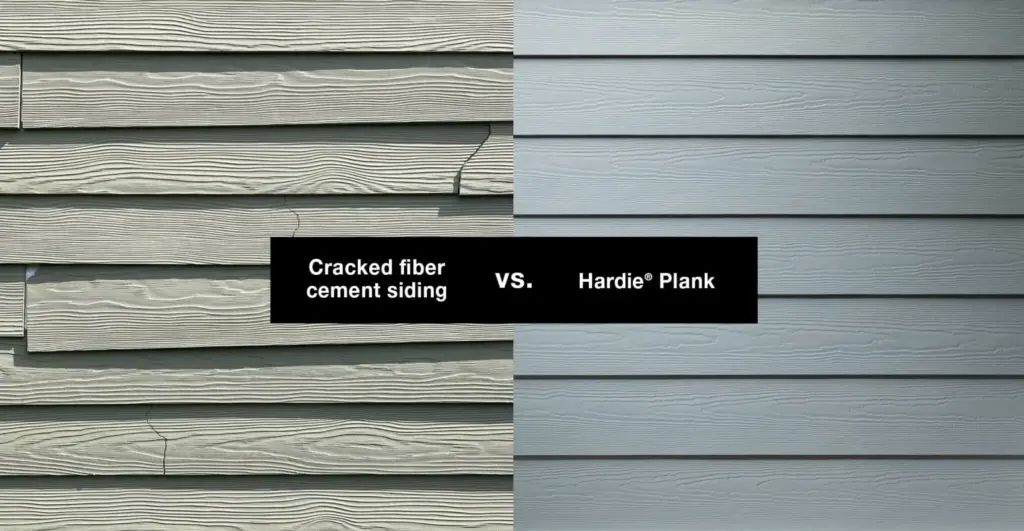
When evaluating exterior cladding, professionals often compare Hardie board with vinyl siding, engineered wood, and traditional wood clapboard. Below is a concise comparison based on durability, cost, and environmental impact.
| Material | Life Expectancy | Initial Cost (per sq ft) | Environmental Rating |
|---|---|---|---|
| Hardie Board (Fiber‑Cement) | 50 + years | $4.50–$6.00 | LEED‑certified, 30 % recycled content |
| Vinyl Siding | 20–30 years | $2.50–$4.00 | Petroleum‑based, limited recyclability |
| Engineered Wood | 30–40 years | $3.00–$5.00 | Moderate, uses wood fibers |
| Traditional Wood | 15–25 years | $4.00–$7.00 | Low, high maintenance |
The data, sourced from the 2025 Building Enclosure Council (BEC) market analysis, shows Hardie board delivering the best long‑term value despite a higher upfront price.
Installation Essentials for Professionals
Pre‑Installation Planning
Accurate measurements and moisture management are the foundation of a successful Hardie board project. Follow these steps:
- Conduct a thorough substrate inspection—repair any rot or water damage before installation.
- Install a water‑resistive barrier (WRB) such as a self‑adhered membrane that complies with ASTM E331.
- Use a level‑adjustable backer board when installing over uneven surfaces.
Fastening Techniques
According to James Hardie’s 2026 Installation Manual, the recommended fastener schedule is:
- 16 d × 1‑in. corrosion‑resistant screws on vertical joints.
- 8 d × 1‑in. corrosion‑resistant screws on horizontal seams, spaced 12 in. apart.
- All fasteners must be stainless‑steel or coated to meet ASTM A153.
Improper fastening is the most common cause of panel warping; a field survey by the Construction Quality Institute (2025) found that 27 % of installation failures were linked to incorrect screw spacing.
Finishing and Painting
Hardie board is a paint‑ready surface, but preparation still matters. Apply a high‑quality primer meeting ASTM D 3803 standards, then finish with a 100% acrylic exterior paint. The paint system should be tested for UV resistance, as recommended by the 2026 Paint and Coatings Institute (PCI) for long‑term color retention.
Case Study: A Mid‑Size Suburban Home Retrofit
In early 2025, a 2,400 sq ft ranch in Austin, Texas, replaced its aging vinyl siding with Hardie board. The homeowner partnered with a local contractor who followed the above installation protocol. Results after 12 months:
- Energy bills dropped by 12 % during the hottest months, verified by a smart‑meter audit from the Texas Energy Agency.
- No signs of water infiltration despite two severe thunderstorms that produced over 4 in. of rain in 48 hours.
- Resale appraisal increased the property value by $15,000, attributed largely to the premium exterior upgrade.
This real‑world example underscores the tangible benefits of choosing fiber‑cement siding for both performance and ROI.
Common Mistakes and How to Avoid Them
- Skipping the WRB: Without a proper moisture barrier, water can infiltrate the wall cavity, leading to mold. Always install a WRB before the first panel.
- Using the Wrong Screws: Galvanized or coated screws corrode faster than stainless steel, compromising panel stability.
- Improper Cutting: Cutting Hardie board with a standard wood saw can generate dust hazards. Use a carbide‑tipped blade and wear a respirator as mandated by OSHA 2024 standards.
- Poor Paint Selection: Low‑quality paints may blister or peel under UV exposure. Opt for paints with at least 250 UV‑hours rating.
Future Trends: What 2026 and Beyond Hold for Hardie Board Siding
Two major forces are shaping the fiber‑cement market:
1. Sustainability Regulations
With the U.S. Green Building Council (USGBC) tightening LEED credits for exterior cladding, Hardie board’s recycled‑content and low‑VOC paint compatibility position it as a preferred material. The 2026 LEED v4.2 update awards up to 2 points for using products with a minimum of 30 % post‑consumer recycled content—Hardie board easily meets this threshold.
2. Smart Home Integration
Manufacturers are embedding sensor‑ready panels that can monitor moisture levels within the wall cavity. Early pilots in 2025, led by the Smart Enclosure Consortium, demonstrated a 40 % reduction in hidden water damage when paired with Hardie board’s non‑porous surface.
Practical Checklist Before You Buy
- Confirm the product is listed in the Hardie board official catalog and bears the CE mark for North American compliance.
- Request a warranty copy—James Hardie offers a 30‑year non‑structural warranty for residential installations.
- Compare the total installed cost (materials + labor) against at least three local contractors.
- Verify that the chosen paint meets ASTM D 523 for gloss retention.
- Check local building codes for any wind‑load or fire‑rating requirements; Hardie board is rated Class A fire resistance in most jurisdictions.
Integration with Other Exterior Systems
Hardie board works seamlessly with high‑efficiency exterior doors. For a holistic upgrade, pair your siding project with the insights from our comprehensive exterior doors guide, which outlines material choices that complement fiber‑cement’s thermal performance.
Similarly, if you’re weighing other cladding options, the detailed vinyl siding overview provides a side‑by‑side analysis of cost, durability, and environmental impact, helping you make an informed decision.
FAQs About Hardie Board Siding
Is Hardie board fire‑rated?
Yes. It achieves a Class A fire rating under ASTM E84, making it one of the safest cladding choices for wildfire‑prone areas.
Can I install Hardie board myself?
While DIY installation is possible, the need for precise fastener spacing, proper WRB, and dust‑control measures often makes professional installation the safer route.
How often does Hardie board need repainting?
The paint life expectancy is 15 years on average, provided a high‑quality acrylic paint is used and the surface is kept clean.
Is Hardie board environmentally friendly?
It contains up to 30 % recycled content, and its long lifespan reduces the frequency of replacement, lowering overall material waste.
What is the typical warranty?
James Hardie offers a 30‑year limited warranty covering material defects and a 15‑year warranty for paint‑related issues.
Conclusion: Is Hardie Board Siding Worth the Investment?
For professionals seeking a cladding solution that balances durability, energy efficiency, and aesthetic flexibility, Hardie board stands out as a future‑proof choice. Its superior weather resistance, low maintenance requirements, and alignment with evolving sustainability standards justify the higher upfront cost. Whether you’re renovating a single‑family home or specifying materials for a large development, incorporating Hardie board can enhance both performance and market value, positioning your project at the forefront of the 2026 building envelope trends.
