When homeowners search for “siding for house,” they’re looking for the most reliable way to protect their investment, boost curb appeal, and improve energy performance—all without a major renovation. The right siding acts as a weather‑resistant shield, reduces heating and cooling costs, and can be installed in a weekend with the proper guidance. Below we break down every factor you need to consider, from material science to 2026 market trends, so you can choose the perfect exterior cladding for your home.
Understanding Siding: The Basics
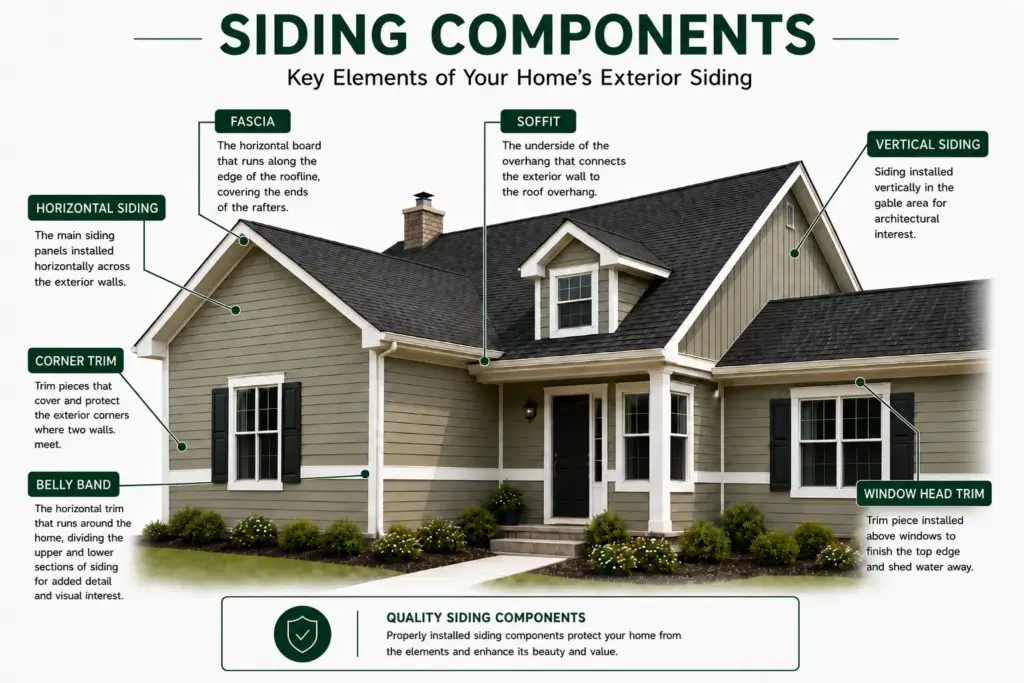
Siding is the outer layer of a building that protects the structural wall from moisture, wind, and temperature fluctuations. Modern siding also contributes to home insulation, reduces noise infiltration, and can be designed to mimic traditional materials while offering low‑maintenance performance.
Key Functions of Siding
- Weather protection: Blocks rain, snow, and wind, preventing water intrusion that could lead to rot or mold.
- Thermal regulation: When combined with proper insulation, it enhances the home’s energy‑efficient envelope.
- Aesthetic versatility: Available in a spectrum of colors, textures, and styles to match any architectural theme.
Top Siding Materials in 2026
The market today offers five dominant categories, each with distinct advantages and drawbacks. Below we compare them based on durability, cost, maintenance, and environmental impact.
Table of Contents
- Understanding Siding: The Basics
- Key Functions of Siding
- Top Siding Materials in 2026
- Vinyl Siding
- Fiber‑Cement Siding (James Hardie, Hardie Board)
- Engineered Wood Siding
- Metal Siding
- Stucco and Synthetic Stucco
- Choosing the Right Siding for Your Climate and Budget
- Hot, Humid Zones
- Cold, Snow‑Heavy Areas
- Coastal Environments
- Budget Considerations
- Installation Essentials: From Prep to Finish
- 1. Structural Assessment and Weather Barrier
- 2. Flashing and Drainage
- 3. Insulation and Energy Efficiency
- 4. Fastening Techniques
- 5. Finishing Touches
- Cost Breakdown for 2026
- Maintenance & Longevity: What to Expect
- Vinyl
- Fiber‑Cement
- Metal
- Engineered Wood
- Future Trends Shaping Siding in 2026 and Beyond
- Smart Siding
- Recycled & Bio‑Based Materials
- Customizable Finishes via 3‑D Printing
- Common Pitfalls and How to Avoid Them
- Frequently Asked Questions
- Which siding offers the best energy efficiency?
- Can I install siding myself?
- How often should I repaint my siding?
- Is siding a good investment for resale?
- What’s the environmental impact of different siding materials?
- Putting It All Together: A Step‑by‑Step Action Plan
Vinyl Siding
Vinyl remains the most popular choice for budget‑conscious homeowners, thanks to its affordability and ease of installation. Modern formulations incorporate UV inhibitors that resist fading, and many manufacturers now use recycled plastic, making it a greener option. According to the Vinyl Siding Uncovered: Ultimate Guide (2026), the average lifespan of high‑quality vinyl is 30‑40 years with minimal upkeep.
Fiber‑Cement Siding (James Hardie, Hardie Board)
Fiber‑cement combines cement, sand, and cellulose fibers, delivering a material that mimics wood grain yet resists rot, pests, and fire. James Hardie’s proprietary technology, detailed in the James Hardie Siding 2026 guide, shows that a properly installed system can last over 50 years and meet stringent fire‑rating codes. Hardie Board, a specific line of fiber‑cement, offers a thinner profile, which reduces labor time and costs without sacrificing strength.
Engineered Wood Siding
Engineered wood consists of wood fibers bonded with resin, offering a natural look with enhanced moisture resistance. The 2026 Home Builders Association (HBA) report notes a 20 % increase in engineered wood installations due to its improved dimensional stability and lower price point compared to solid wood.
Metal Siding
Aluminum and steel panels provide a sleek, contemporary aesthetic and superb durability. Galvanized steel is especially popular in coastal regions because of its corrosion‑resistant coating. A 2025 study by the National Association of Home Builders (NAHB) found that metal siding can reduce exterior maintenance by up to 60 % over a 25‑year period.
Stucco and Synthetic Stucco
Traditional stucco, a cement‑sand mixture, offers a seamless finish that can be textured or smooth. Synthetic stucco blends acrylic polymers to improve flexibility and crack resistance, a trend highlighted in the 2026 “Exterior Finishes Forecast” by the Building Materials Research Center.
Choosing the Right Siding for Your Climate and Budget
Every region presents unique weather challenges, and the optimal siding must align with those conditions.
Hot, Humid Zones
Fiber‑cement and vinyl with moisture‑resistant cores perform best in high humidity, preventing swelling and mold growth. The Energy Star 2026 Climate Guide recommends a minimum R‑value of 2.5 for exterior sheathing in these areas.
Cold, Snow‑Heavy Areas
Insulated vinyl and engineered wood with added foam backing provide extra thermal resistance, reducing heating bills. Metal siding with a built‑in rain screen system is also effective, as it creates an air gap that prevents ice dam formation.
Coastal Environments
Corrosion‑resistant metal or high‑grade fiber‑cement (e.g., James Hardie) is essential where salt spray accelerates wear. The Coastal Building Council’s 2025 survey showed a 35 % lower maintenance cost for homes using corrosion‑treated steel siding.
Budget Considerations
Vinyl typically ranges from $2.50–$5.00 per square foot installed, while fiber‑cement sits between $5.00–$9.00. Metal and engineered wood fall in the $6.00–$10.00 bracket. Labor accounts for roughly 30 % of total cost across materials, according to a 2026 contractor cost index.
Installation Essentials: From Prep to Finish
A flawless siding job starts with meticulous preparation. Skipping any step can lead to water intrusion, warping, or premature failure.
1. Structural Assessment and Weather Barrier
Inspect the sheathing for rot and replace damaged sections. Install a house‑wrap (e.g., Tyvek) or a liquid‑applied membrane to serve as the primary moisture barrier. In regions prone to high wind, a secondary water‑resistive barrier (WRB) is recommended.
2. Flashing and Drainage
Proper flashing around windows, doors, and rooflines directs water away from the siding. The Exterior Doors Mastery article emphasizes that misaligned flashing can negate the protective benefits of even the most durable siding.
3. Insulation and Energy Efficiency
Adding rigid foam board (R‑3 to R‑5) beneath the siding improves the home’s overall R‑value, contributing to lower utility bills. The Department of Energy’s 2025 “Home Energy Score” highlights that homes with insulated siding see a 12 % reduction in heating and cooling costs.
4. Fastening Techniques
Use corrosion‑resistant nails or screws, spaced according to the manufacturer’s specifications (usually 16‑24 inches apart). Over‑driving fasteners can cause cracking in fiber‑cement or warping in vinyl.
5. Finishing Touches
Apply caulk to seams and trim, install soffit and fascia for a polished look, and conduct a final water test by spraying the exterior to confirm no leaks.
Cost Breakdown for 2026
Below is a typical cost matrix for a 2,000‑square‑foot home, based on data from the 2026 National Home Improvement Cost Survey.
- Vinyl (standard): $5,000–$10,000 (materials + labor)
- Vinyl (insulated): $7,500–$12,500
- Fiber‑cement (James Hardie): $12,000–$18,000
- Engineered wood: $9,000–$14,000
- Metal (steel): $13,000–$20,000
Remember to factor in permits (average $300–$500) and disposal fees for old siding, which can add $1,000–$2,000.
Maintenance & Longevity: What to Expect
All siding types require periodic checks, but the intensity varies.
Vinyl
Wash with mild detergent annually; replace damaged panels as needed. UV fading is minimal with modern additives.
Fiber‑Cement
Inspect for cracks after severe storms; repaint every 10–15 years to maintain color vibrancy. The material itself does not rot.
Metal
Remove rust spots promptly and repaint with a rust‑inhibitive primer. Most coated steel lasts 40–50 years.
Engineered Wood
Seal annually in high‑moisture zones and repaint every 5–7 years to protect against moisture infiltration.
Future Trends Shaping Siding in 2026 and Beyond
Home exteriors are evolving beyond static cladding. Here are three trends gaining momentum.
Smart Siding
Embedded sensors can monitor temperature, humidity, and impact damage, sending alerts to a homeowner’s smartphone. Pilot programs in Seattle have shown a 15 % reduction in water‑damage claims when using sensor‑integrated fiber‑cement panels.
Recycled & Bio‑Based Materials
Manufacturers are now producing siding from reclaimed wood fibers and recycled plastics, achieving up to 80 % post‑consumer content while meeting fire‑rating standards.
Customizable Finishes via 3‑D Printing
Advanced 3‑D printing techniques allow bespoke textures and patterns that were previously only possible with hand‑crafted stone or wood. Early adopters report increased home resale values by an average of 3 %.
Common Pitfalls and How to Avoid Them
- Skipping the WRB: Even premium siding can fail without a proper moisture barrier. Always install house‑wrap before siding.
- Improper flashing: Misaligned flashing is a leading cause of water infiltration. Follow manufacturer‑specific flashing diagrams.
- Choosing the cheapest material without climate consideration: Low‑cost vinyl may warp in extreme heat; fiber‑cement may be overkill in mild climates.
- Neglecting expansion gaps: All sidings expand and contract; failing to leave the recommended spacing can cause buckling.
Frequently Asked Questions
Which siding offers the best energy efficiency?
Insulated vinyl and fiber‑cement with a rigid foam backing provide the highest R‑values per square foot. Pairing any siding with proper insulation and an airtight WRB maximizes energy savings.
Can I install siding myself?
DIY installation is feasible for vinyl and engineered wood if you have basic carpentry skills. However, fiber‑cement and metal require specialized tools and safety gear; professional installation is recommended to maintain warranties.
How often should I repaint my siding?
Vinyl typically doesn’t need repainting. Fiber‑cement and engineered wood benefit from a fresh coat every 10–15 years, while metal may require a new finish every 20 years depending on exposure.
Is siding a good investment for resale?
Yes. According to a 2026 Zillow Home Value Index analysis, homes with newly installed, high‑quality siding see an average price uplift of 5‑7 % compared to similar properties without updates.
What’s the environmental impact of different siding materials?
Recycled vinyl and bio‑based engineered wood have the lowest embodied carbon. Fiber‑cement, while energy‑intensive to manufacture, offers longevity that offsets its initial carbon footprint over a 50‑year lifespan.
Putting It All Together: A Step‑by‑Step Action Plan
- Assess Your Climate Needs: Review local weather data and consult the Energy Star climate guide.
- Set a Budget: Include material, labor, permits, and disposal fees.
- Choose Material: Weigh durability, aesthetics, and maintenance.
- Hire Qualified Professionals: Verify licenses, insurance, and references.
- Plan for Insulation & WRB: Incorporate rigid foam and house‑wrap.
- Schedule Installation: Avoid extreme weather seasons.
- Conduct Post‑Installation Inspection: Test for water leaks and ensure flashing is secure.
- Establish Maintenance Routine: Clean annually, inspect after storms, and re‑seal as needed.
By following this comprehensive roadmap, you’ll secure a siding solution that protects your home, enhances its appearance, and adds lasting value. Whether you opt for sleek metal, timeless fiber‑cement, or budget‑friendly vinyl, the right choice starts with informed research and professional execution.
