Choosing the right entry door is the single most effective way to boost a home’s curb appeal, improve energy efficiency, and protect occupants—all at once. In 2026, manufacturers combine advanced insulation, smart‑lock technology, and resilient finishes to meet stricter building codes and homeowner expectations, making the selection process both exciting and complex.
What Defines a Modern Entry Door?
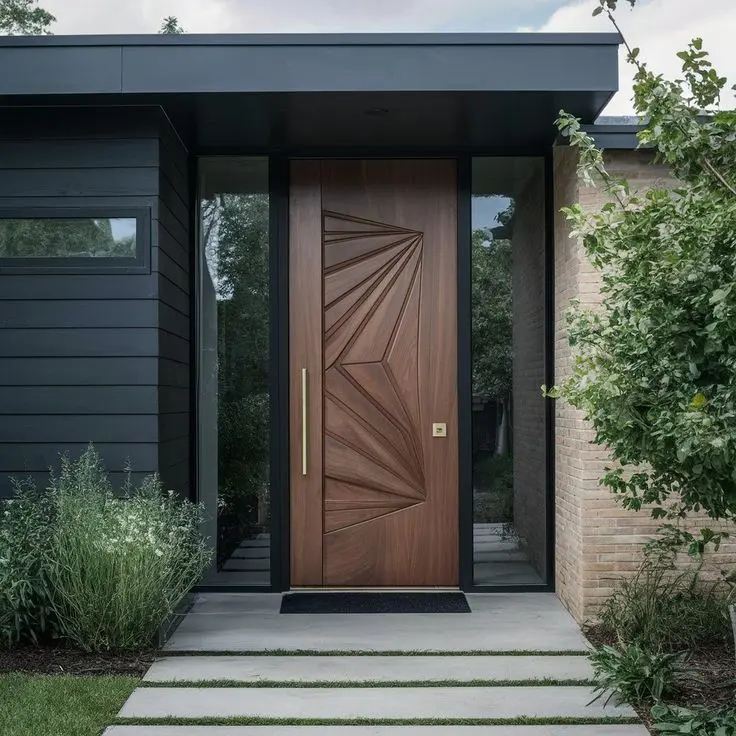
A contemporary entry door is more than a decorative portal; it integrates weather‑resistant door materials, front door security features, and energy‑efficient design into a single package. According to the National Association of Home Builders (NAHB) 2025 Housing Outlook, 68 % of new‑home buyers prioritize a high‑performance entry door, up from 53 % in 2020. This shift reflects tighter ENERGY STAR requirements and growing consumer awareness of long‑term utility savings.
Top Materials for Entry Doors in 2026
When evaluating options, consider the balance between durability, aesthetics, and thermal performance. Below is a concise comparison of the most prevalent materials:
Table of Contents
- What Defines a Modern Entry Door?
- Top Materials for Entry Doors in 2026
- Energy Efficiency: How Entry Doors Impact Your Bills
- Security Features That Matter
- Design Trends Shaping Entry Doors in 2026
- Bold Colors and Matte Finishes
- Integrated Lighting
- Glass Accents with Privacy Options
- Installation Essentials: Avoiding Costly Mistakes
- Cost Breakdown: What to Expect in 2026
- Maintenance Tips for Longevity
- Common Mistakes Homeowners Make
- FAQs About Entry Doors
- What R‑value should I look for?
- Can I retrofit a smart lock onto an existing door?
- How does a sliding patio door differ from a traditional entry door?
- Is it worth investing in a custom wood door?
- Do entry doors affect home resale value?
- Future Outlook: What to Expect Beyond 2026
- Fiberglass – Offers a wood‑grain look with superior resistance to warping; R‑value typically 5.5 – 6.5 per inch.
- Steel – Provides the highest security rating; modern coatings prevent rust and achieve an R‑value of 4 – 5.
- Solid wood – Timeless appeal and customizability; however, it requires regular sealing and has an R‑value of 3 – 4.
- Aluminum – Lightweight and low‑maintenance; often paired with thermal breaks to reach R‑values of 4 – 5.
- Composite (e.g., Hardie board) – Combines the look of wood with the durability of fiber cement; emerging as a cost‑effective alternative for high‑traffic homes.
For a deeper dive into exterior door materials, see our Exterior Doors Mastery guide, which details installation nuances and energy‑saving calculations.
Energy Efficiency: How Entry Doors Impact Your Bills
Heat loss through the front door accounts for up to 15 % of a home’s overall energy waste, according to a 2025 study by Home Innovation Research Labs. The following steps ensure you choose a door that maximizes savings:
- Look for ENERGY STAR certification; doors must meet a minimum R‑value of 5.0 for climate zones 5‑7.
- Select multi‑point locking systems that compress the frame, eliminating drafts.
- Opt for low‑E glass glazing; double‑pane units with argon fill can reduce heat transfer by up to 30 %.
- Consider insulated thresholds and weatherstripping rated for the local climate.
When paired with a properly sealed door frame, homeowners can reduce heating costs by an average of $250 per year, based on data from the U.S. Department of Energy.
Security Features That Matter
Beyond aesthetics, a robust entry door is a first line of defense. In 2026, manufacturers integrate smart technology with traditional hardware:
- Smart deadbolts with encrypted Bluetooth connectivity allow remote locking and activity logs.
- Reinforced steel cores meet ANSI Grade 1 standards, resisting forced entry for up to 30 seconds.
- Multi‑point locking systems engage at three or more locations, distributing force across the frame.
Home insurance providers such as State Farm report a 7 % discount for homes equipped with smart entry door locks, reflecting the reduced risk of burglary.
Design Trends Shaping Entry Doors in 2026
Homeowners are blending classic curb appeal with modern minimalism. Key design directions include:
Bold Colors and Matte Finishes
While traditional black, white, and natural wood remain popular, bold hues like deep teal, charcoal, and olive are gaining traction, especially in urban infill projects. Matte finishes, achieved through low‑gloss powder coating, hide fingerprints and minor scratches better than high‑gloss alternatives.
Integrated Lighting
LED strips concealed behind the door’s transom or within the jamb provide ambient illumination, improving safety and highlighting architectural details. According to the Illuminating Engineering Society (IES) 2026 Lighting Trends Report, integrated door lighting can increase perceived safety by 22 % in residential neighborhoods.
Glass Accents with Privacy Options
Frosted, patterned, or tinted glass inserts add visual interest while preserving privacy. Low‑E coatings maintain energy performance, and interchangeable panels allow seasonal style changes.
Installation Essentials: Avoiding Costly Mistakes
A high‑quality entry door can underperform if installed improperly. Follow these best practices, adapted from the House Washing Near Me: 2026 Expert Guide for surface preparation:
- Accurate Rough Opening – Measure to the nearest 1/8 inch; the opening must be 1/2 inch larger than the door slab to accommodate shims and insulation.
- Flashing and Weather Barrier – Install self‑adhesive flashing tape around the perimeter to prevent water infiltration.
- Level & Plumb Frame – Use a laser level to ensure the jamb is perfectly vertical; misalignment can cause uneven wear and seal failure.
- Secure Anchoring – Fasten the frame to studs with minimum #9 2‑in. screws; avoid using only nails, which can loosen over time.
- Sealant Application – Apply silicone or polyurethane caulk at the interior and exterior edges, smoothing with a putty knife for a seamless finish.
Professional installation typically adds 15‑20 % to material costs but reduces long‑term maintenance expenses by up to 30 %.
Cost Breakdown: What to Expect in 2026
Entry door pricing varies widely based on material, size, and customization. Below is a 2026 market snapshot sourced from the Builder Online Price Index:
| Material | Average Price (USD) | Installation (USD) |
|---|---|---|
| Fiberglass (pre‑finished) | $1,200 – $2,300 | $400 – $600 |
| Steel (with smart lock) | $1,500 – $2,800 | $500 – $700 |
| Solid wood (custom) | $2,000 – $4,500 | $600 – $900 |
| Composite (Hardie board) | $1,800 – $3,000 | $450 – $650 |
Remember to factor in additional costs for hardware, glazing upgrades, and optional decorative elements such as sidelights or transoms. For an integrated view of exterior renovation budgeting, refer to our Top 2026 Guide to Finding the Best Exterior Painters Near Me, which outlines how door selection ties into overall façade work.
Maintenance Tips for Longevity
Proper upkeep preserves both appearance and performance. Adopt the following routine, recommended by the HomeAdvisor 2026 Maintenance Checklist:
- Quarterly Inspection – Check hinges, locks, and weatherstripping for wear; tighten loose screws.
- Annual Cleaning – Use a mild detergent and a soft brush; avoid abrasive pads that can damage finishes.
- Re‑Caulking – Replace sealant every 3‑5 years, especially in coastal climates where salt air accelerates degradation.
- Finish Refresh – For wood doors, apply a fresh coat of stain or paint every 5‑7 years to protect against UV damage.
Common Mistakes Homeowners Make
Even seasoned renovators can stumble. Watch out for these pitfalls:
- Choosing the cheapest door – Low‑cost options often lack adequate insulation and security, leading to higher energy bills and vulnerability.
- Ignoring climate considerations – A door suitable for a mild zone may perform poorly in extreme heat or cold.
- Neglecting hardware compatibility – Ensure smart lock dimensions match the door’s thickness and that the deadbolt aligns with the strike plate.
- Skipping professional flashing – Improper flashing is a leading cause of water intrusion and rot.
FAQs About Entry Doors
What R‑value should I look for?
For most U.S. climates, an R‑value of 5.0 or higher meets ENERGY STAR standards. In colder zones (5‑7), aim for 5.5 – 6.5 to maximize heat retention.
Can I retrofit a smart lock onto an existing door?
Yes, most smart deadbolts are designed for standard boreholes (2.75″ × 1.31″). However, ensure the door’s thickness (1.75″ – 2.25″) accommodates the lock’s backset and that the frame is sturdy enough for the additional hardware.
How does a sliding patio door differ from a traditional entry door?
While both serve as primary access points, sliding patio doors prioritize space‑saving operation and large glass panels for natural light. They share many material considerations—such as low‑E glazing and reinforced frames—and can be coordinated for a cohesive façade. See our Sliding Patio Doors 2026: Ultimate Guide for selection criteria.
Is it worth investing in a custom wood door?
Custom wood offers unmatched aesthetics and can be engineered for higher energy performance with insulated cores. The premium is justified for historic homes or when curb appeal is a primary selling point, but consider the higher maintenance demands.
Do entry doors affect home resale value?
According to the 2025 NAHB Resale Value Survey, homes with upgraded entry doors see an average 3‑5 % increase in market value, primarily due to perceived security and energy efficiency.
Future Outlook: What to Expect Beyond 2026
Emerging technologies promise further integration of entry doors into smart home ecosystems. Anticipated developments include:
- Solar‑powered door panels that recharge smart locks and sensor networks.
- Adaptive glazing that dynamically adjusts tint based on sunlight intensity, reducing glare while preserving views.
- Biometric authentication—fingerprint or facial recognition—embedded directly into the lock mechanism.
Staying ahead of these trends ensures you select a door that remains functional and stylish for decades.
By evaluating material performance, energy metrics, security features, and design trends, you can choose an entry door that not only welcomes guests but also protects your investment. For a holistic exterior renovation strategy, combine your door selection with quality siding, professional painting, and regular house washing to maintain a pristine, energy‑efficient home envelope.
Ready to upgrade? Explore our comprehensive resources on exterior upgrades and find the right professionals near you.
