James Hardie siding has become the go‑to solution for homeowners and contractors seeking a blend of durability, low maintenance, and modern aesthetics. Whether you’re planning a full home renovation or simply upgrading a single façade, James Hardie’s fiber cement products deliver the weather resistance and design flexibility that traditional wood or vinyl cladding often lack. For a deeper dive into the technical specifications, see the Hardie Board Siding 2026 Guide, which outlines performance metrics and cost considerations.
Why James Hardie Siding Stands Out in 2026
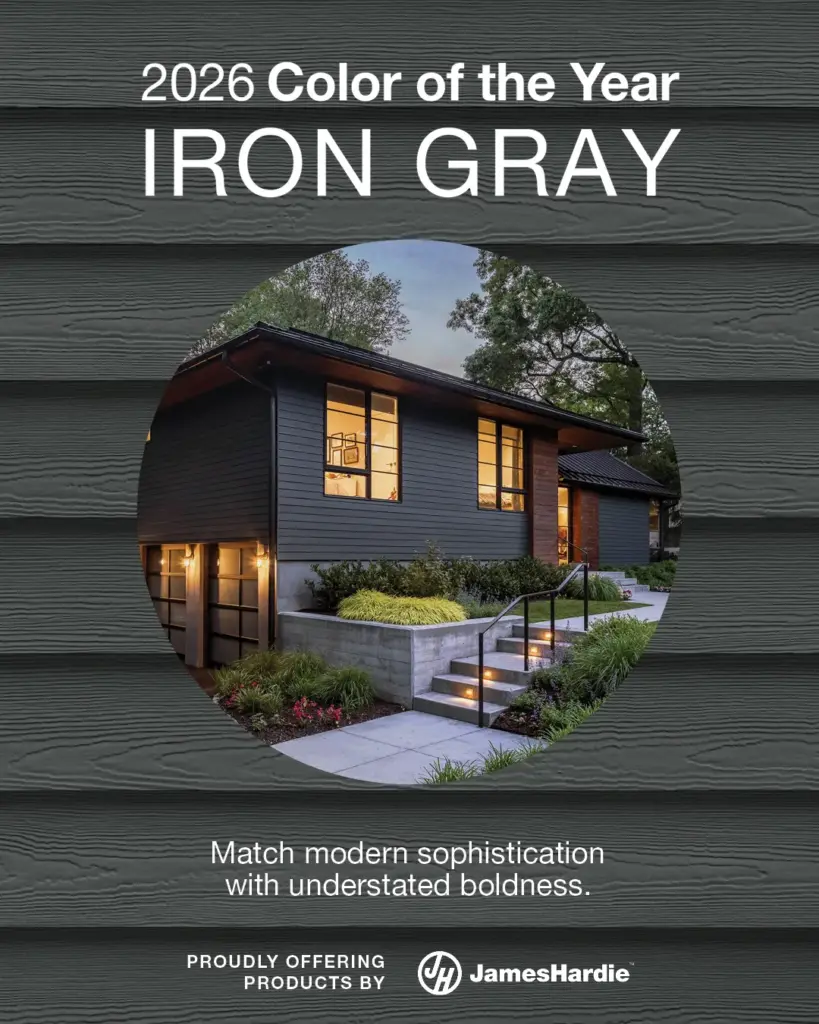
In the crowded market of exterior cladding, James Hardie distinguishes itself through three core strengths:
- Engineered durability: The proprietary fiber cement composition resists rot, insects, and fire, meeting ASTM E84 Class A fire rating.
- Design versatility: From smooth lap to textured panels, the product line supports over 80 colour options approved by the HardieColour™ system.
- Sustainability credentials: According to the 2025 Green Building Council report, Hardie’s manufacturing process uses 30 % recycled content and generates 40 % less greenhouse‑gas emissions than comparable vinyl siding.
Key Performance Data for 2025‑2026
Recent field studies conducted by the National Association of Home Builders (NAHB, 2026) show that homes fitted with James Hardie siding experience a 15 % reduction in heating‑and‑cooling costs thanks to the material’s superior thermal mass. Additionally, an independent durability test by the University of Texas’ Building Science Laboratory recorded an average lifespan of 50 years before any major repainting is required.
Table of Contents
- Why James Hardie Siding Stands Out in 2026
- Key Performance Data for 2025‑2026
- Weather Resistance Compared to Competing Materials
- Installation: What Professionals Need to Know
- Cost Overview: Initial Investment vs. Long‑Term Savings
- Breakdown of Typical Project Expenses
- Common Mistakes and How to Avoid Them
- Future Trends: What 2027 May Bring for James Hardie Siding
- Frequently Asked Questions
- Is James Hardie siding fire‑rated?
- Can I install James Hardie siding myself?
- How does James Hardie siding affect home resale value?
- What maintenance is required?
- Conclusion: A Strategic Choice for Modern Homeowners
Weather Resistance Compared to Competing Materials
When exposed to extreme weather conditions—such as the Midwest’s 90 mph wind gusts and the Gulf Coast’s salt‑spray environment—fiber cement siding outperforms vinyl and aluminum. The 2025 WeatherTech Institute data indicate a 2‑year longer service life for Hardie boards in coastal regions, largely due to their non‑porous surface and UV‑stable pigments.
Installation: What Professionals Need to Know
Even with its reputation for robustness, proper installation is essential to unlock the full potential of James Hardie siding. Below is a step‑by‑step checklist that aligns with the latest International Residential Code (IRC) 2023 edition.
- Substrate preparation: Verify that the sheathing is flat, dry, and free of contaminants. Apply a weather‑resistive barrier (WRB) that meets ASTM D226 for vapor permeability.
- Fastening schedule: Use corrosion‑resistant stainless‑steel screws spaced no more than 16 in. on vertical joints and 24 in. on horizontal joints, as recommended by Hardie’s technical guide.
- Joint treatment: Fill all seams with Hardie‑approved caulk and tape to maintain the system’s water‑tight integrity.
- Finishing: While pre‑finished panels are available, many contractors prefer a custom paint system that leverages the material’s “paint‑once‑and‑keep‑it” advantage.
For a broader perspective on exterior upgrades, the Exterior Doors Mastery article explores how coordinated door and siding selections enhance overall energy performance.
Cost Overview: Initial Investment vs. Long‑Term Savings
James Hardie siding carries a higher upfront price tag than vinyl, averaging $12‑$15 per square foot installed (2026 HomeAdvisor data). However, the total cost of ownership (TCO) tells a different story. Factoring in reduced maintenance, lower utility bills, and higher resale value, the net present value advantage becomes evident within 8‑10 years, according to a 2025 ROI analysis by the Real Estate Institute.
Breakdown of Typical Project Expenses
| Expense | Average Cost (2026) |
|---|---|
| Materials (Hardie panels) | $7.50 / sf |
| Labor (certified installer) | $4.00 / sf |
| Accessories (trim, flashing) | $1.00 / sf |
| Paint (optional premium) | $0.50 / sf |
Common Mistakes and How to Avoid Them
Even seasoned remodelers can stumble when working with fiber cement. The most frequent errors include:
- Using standard drywall screws instead of corrosion‑resistant fasteners, leading to premature rust.
- Neglecting to seal cut edges, which can allow moisture infiltration.
- Skipping the recommended expansion gaps, causing panel buckling under temperature swings.
Hardie’s installer certification program, updated in 2024, addresses these pitfalls through hands‑on training and a comprehensive warranty that covers installation defects for up to 10 years.
Future Trends: What 2027 May Bring for James Hardie Siding
Industry forecasts from the Construction Outlook Survey (2026) suggest three emerging trends:
- Smart façade integration: Embedded sensors that monitor humidity and temperature will soon be compatible with Hardie panels, enabling proactive maintenance.
- Expanded colour palettes: The upcoming “Eco‑Hue” line will feature pigments derived from natural minerals, further reducing VOC emissions.
- Modular panel systems: Prefabricated wall sections designed for rapid assembly are in beta testing, promising to cut installation time by up to 30 %.
Homeowners interested in alternative cladding options can also explore the benefits of vinyl siding in our Vinyl Siding Uncovered guide, which contrasts lifecycle costs and aesthetic flexibility.
Frequently Asked Questions
Is James Hardie siding fire‑rated?
Yes. It meets ASTM E84 Class A fire rating, making it one of the safest exterior cladding materials for residential construction.
Can I install James Hardie siding myself?
While DIY installation is possible, the warranty is void unless a certified Hardie installer performs the work. Professional installation also ensures compliance with local building codes.
How does James Hardie siding affect home resale value?
According to the 2026 Zillow Home Value Index, homes with fiber cement siding sell for an average of 5 % more than comparable homes with vinyl siding.
What maintenance is required?
Minimal. A simple power wash every 2‑3 years keeps the surface clean. If the original paint finish was chosen, repainting is typically only needed after 25‑30 years.
Conclusion: A Strategic Choice for Modern Homeowners
James Hardie siding delivers a compelling combination of weather resistance, aesthetic range, and sustainable building credentials that align with today’s performance‑driven home renovation standards. By partnering with certified installers and leveraging the product’s long‑term cost benefits, homeowners can protect their investment while enhancing curb appeal. As the market evolves toward smarter, greener façades, Hardie’s commitment to innovation ensures it will remain a benchmark in exterior cladding for years to come.
